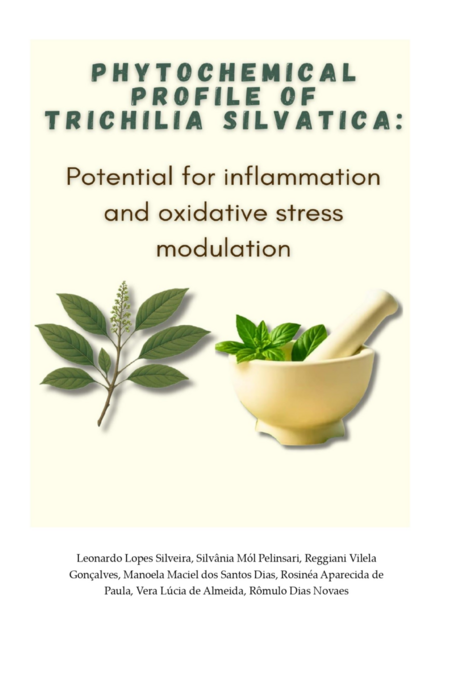
Native plants from Brazilian biomes represent an invaluable source of bioactive compounds with significant relevance to biotechnology and human health. Among these species, Trichilia silvatica stands out due to its wide distribution in tropical ecosystems and its complex phytochemical profile, which includes terpenoids, flavonoids, phenolic compounds, saponins, and phytosterols. These secondary metabolites are known to exert antioxidant, anti-inflammatory, and antimicrobial effects, making this species a promising candidate for the development of natural therapeutic products.
The biological activities associated with Trichilia silvatica have been increasingly investigated in experimental models, particularly in the context of inflammatory and oxidative stress–related disorders. Evidence suggests that extracts from this genus can modulate inflammatory mediators, reduce the production of reactive oxygen species, and regulate key enzymes involved in inflammatory pathways, such as cyclooxygenase-2 (COX-2). These mechanisms are of particular interest given the central role of oxidative stress and inflammation in the pathogenesis of several chronic diseases.
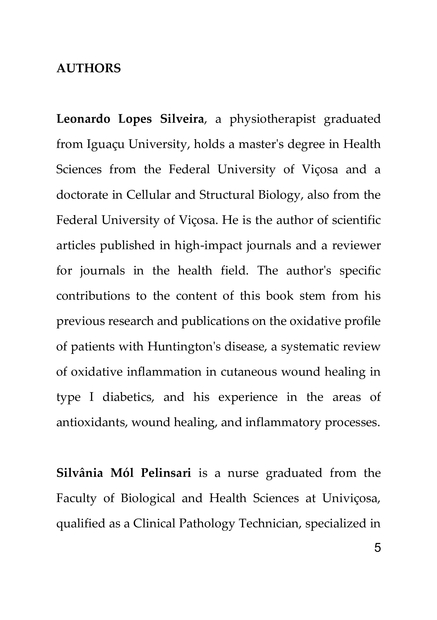
The author, Leonardo Lopes Silveira, with a PhD in Cellular and Structural Biology, brings to this chapter a multidisciplinary scientific background supported by experience in experimental biology, clinical analysis, and research on antioxidant and anti-inflammatory mechanisms.
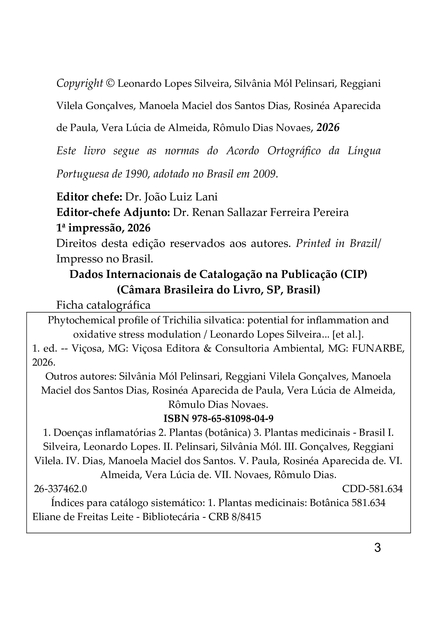
| ISBN | 9786581098049 |
| Número de páginas | 101 |
| Edição | 1 (2026) |
| Formato | A5 (148x210) |
| Acabamento | Brochura c/ orelha |
| Tipo de papel | Offset 75g |
| Idioma | Inglês |
Tem algo a reclamar sobre este livro? Envie um email para atendimento@clubedeautores.com.br

Faça o login deixe o seu comentário sobre o livro.