
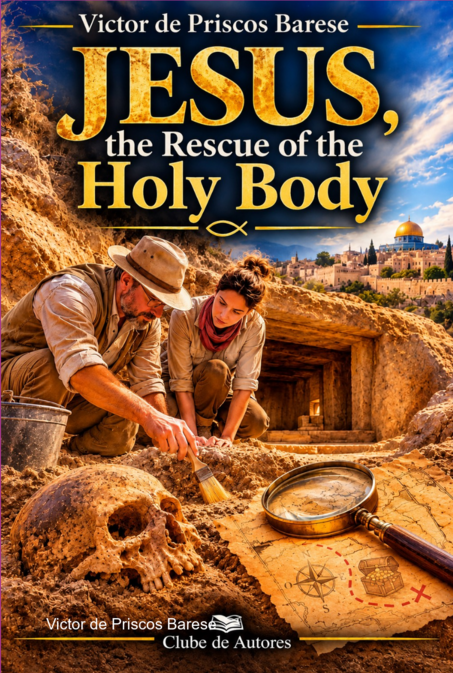
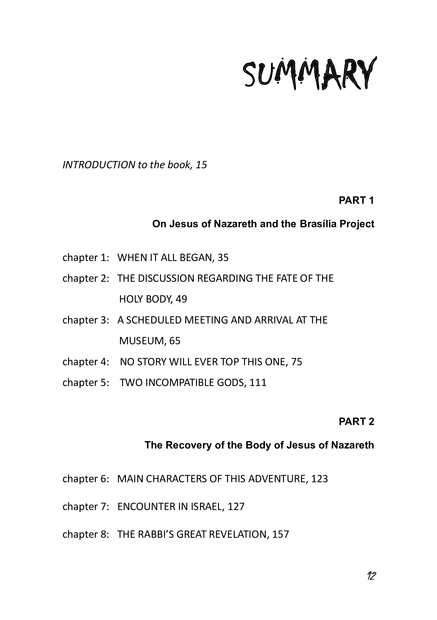
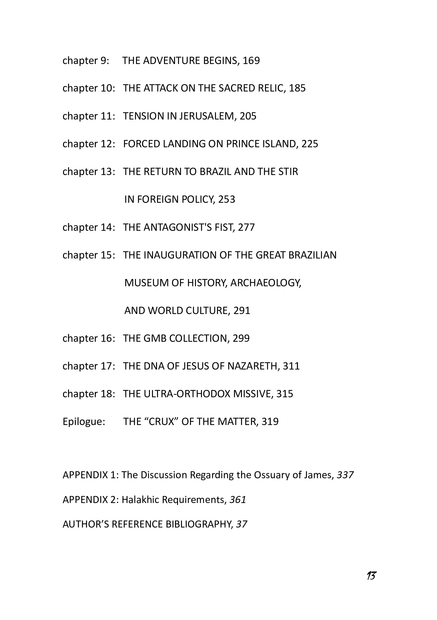
In the 1980s, a tomb dating back to the time of Jesus Christ was discovered in the Jerusalem neighborhood of Talpiot. Inside, archaeologists found several limestone burial boxes—known as "ossuaries"—inscribed with names familiar from the Christian Holy Family: "Jesus, son of Joseph," "Mary," "James, brother of Jesus, son of Joseph," "Mary Magdalene," and others. Furthermore, the ossuaries contained the remarkably well-preserved human remains of these individuals.
After being analyzed and documented by Israeli archaeologists, the bones were handed over to a local Jewish rabbi, who reburied them elsewhere—a practice known as a "second burial," in accordance with rabbinic traditions that forbid the disturbance of the dead.
Forty-four years later, an expedition succeeded in locating the site of this reburial and recovering the remains. They were brought to Brazil as part of a mission led by a team under the direction of archaeologist Victor de Priscos Barese. Once in Brazil, the remains were cataloged, restored, and reconstructed. Using state-of-the-art 21st-century materials, the team created perfect replicas of these ancient figures. They are now housed within the collection of the newly constructed New Museum of Brasília, where they are on display to the public from around the world.
In short, we now possess the actual physical appearance of the individuals buried together in Jerusalem, along with samples of their DNA. In a very literal sense, Jesus of Nazareth has been brough
| Número de páginas | 388 |
| Edição | 1 (2026) |
| Formato | A5 (148x210) |
| Acabamento | Brochura c/ orelha |
| Coloração | Preto e branco |
| Tipo de papel | Polen |
| Idioma | Inglês |
Tem algo a reclamar sobre este livro? Envie um email para atendimento@clubedeautores.com.br









Faça o login deixe o seu comentário sobre o livro.